The Ultimate Secret to Perfect Homemade Yeast Breads and Pastries
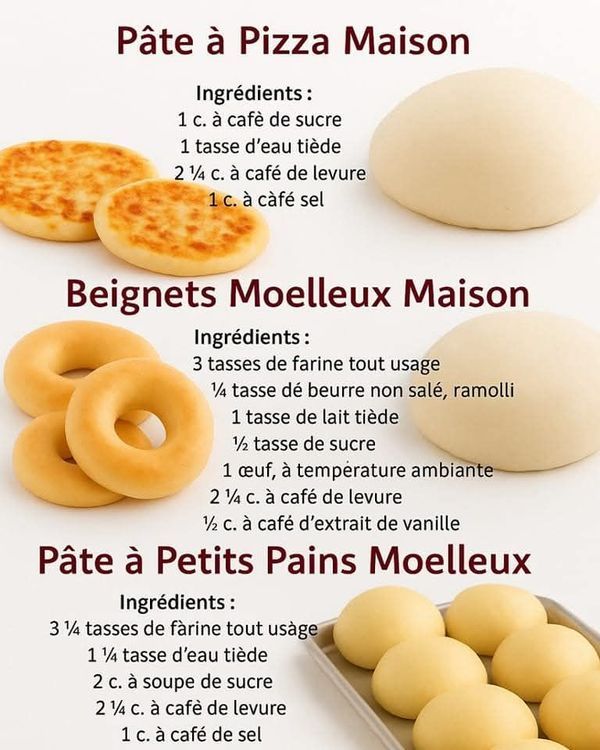
There is nothing quite like the intoxicating aroma of freshly baked dough wafting through a kitchen. From the crisp, blistered crust of a gourmet pizza to the melt-in-your-mouth tenderness of a sweet breakfast pastry, mastering homemade dough elevates everyday home cooking into an artisanal experience. Simple culinary formulas break down essential ingredients for family favorites like Pâte a Pizza Maison (homemade pizza dough), Beignets Moelleux Maison (fluffy homemade donuts), and Pâte à Petits Pains Moelleux (soft dinner roll dough).
However, achieving that perfect bakery-quality rise and airy texture requires a deeper look into the kitchen science that drives fermentation. Baking is an exact science where ingredient choices, temperature controls, and technique dictate success. In this comprehensive guide, we unpack the fundamental mechanics of yeast dough, explore how to balance your culinary hobbies with smart kitchen time management, and provide step-by-step guidance for baking success every single time.
1. Yeast Fermentation: The Hidden Engine of Baking
At the heart of every classic bread recipe is a microscopic powerhouse: yeast. Whether you are using active dry or instant yeast, understanding how to keep this living organism happy is the most critical element of baking.
The Role of Sweetness and Fuel
Yeast requires simple sugars to metabolize and produce carbon dioxide gas, which creates the essential air pockets inside the dough. In lean doughs like pizza, a tiny amount of sugar wakes up the culture. In enriched sweet pastries—like fluffy homemade donuts—a higher volume of sugar acts as both a flavor agent and a tenderizer, slowing down gluten development to yield a pillow-soft interior.
The Critical Sweet Spot for Warm Liquid
Yeast is incredibly sensitive to thermal environments. Recipes often specify warm water or milk as the liquid base. The ideal temperature range is narrow: between 100°F and 110°F. If the liquid is too cold, the yeast will remain dormant, causing a dense, flat bake. If it surpasses 120°F, you risk killing the yeast completely, ruining the batch before it ever hits the oven.