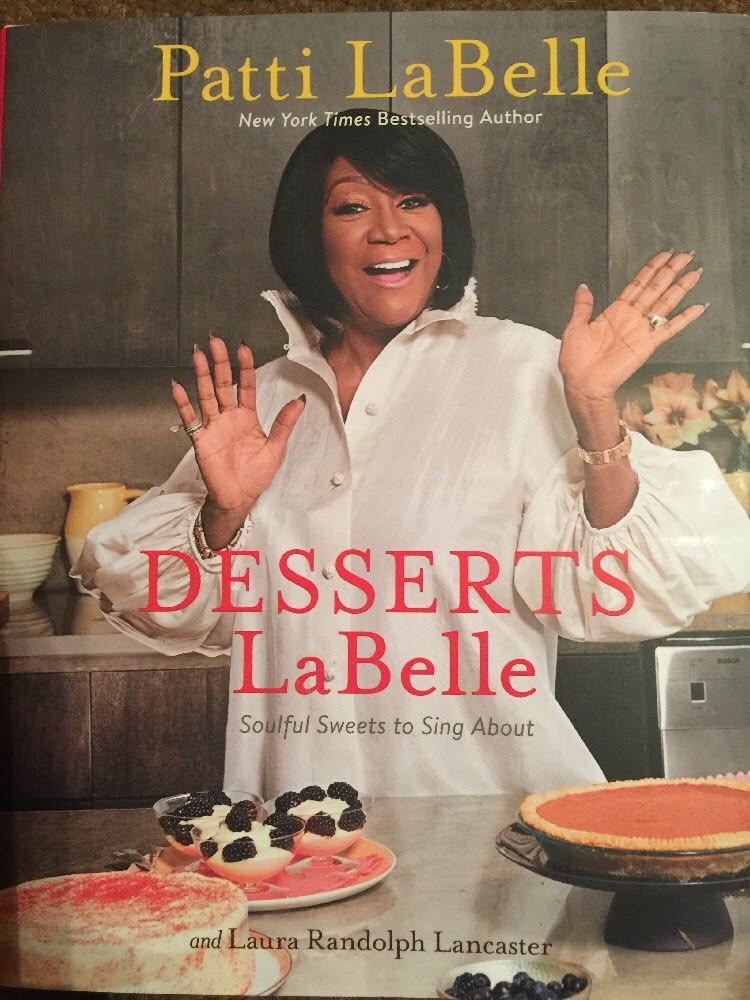
Food has an unparalleled ability to carry culture, tell stories, and evoke profound nostalgia. In the realm of comfort food and traditional baking, desserts often stand as the ultimate expression of celebration, family legacy, and creative joy. The vibrant spirit of soulful baking is perfectly captured in the acclaimed cookbook Desserts LaBelle: Soulful Sweets to Sing About, co-authored by music icon Patti LaBelle and Laura Randolph Lancaster. This compilation celebrates the deep-rooted connections between melody, memory, and the kitchen, showcasing classic staples like sweet potato pie, layered cakes, and elegant berry parfaits.
Mastering classic desserts requires more than just following measurements on a page; it calls for an understanding of the fundamental balance between texture, sweetness, and culinary patience. Whether you are whipping up a simple weekend treat or tackling an elaborate centerpiece for a family gathering, implementing time-tested kitchen principles can elevate your baking game from standard to legendary. In this comprehensive guide, we explore the science behind perfect pie crusts, the role of baking as a form of creative expression, and the practical economics of managing a passionate home-baking hobby.
1. The Anatomy of a Perfect Pastry: Balance and Texture
The cornerstone of legendary soul food baking often traces back to the perfect pie crust. Achieving that coveted balance of a flaky texture and a rich, buttery flavor profile requires a blend of science and physical restraint.
The Science of Cold Ingredients
The absolute secret to a flaky crust lies in the temperature of your fats. Keeping your butter, shortening, or lard ice-cold ensures that tiny pockets of solid fat remain suspended throughout the flour dough. When the pie hits the hot oven, these fat pockets melt rapidly, creating steam. This trapped steam expands, pushing the layers of dough apart and forming the delicate, flaky micro-layers that define an exceptional homemade crust.
Avoiding the Pitfalls of Overworking
Dough requires a gentle touch. Aggressive kneading or over-mixing activates the gluten proteins in the wheat flour, turning what should be a tender pastry into a tough, dense, and chewy shell. Professional bakers mix their pastry dough just until it holds together, allowing the natural textures to shine without compromising the structural integrity of the dessert.
2. Culinary Expression: Baking as a Multisensory Art Form
Baking is unique because it engages every single human sense—from the visual beauty of a perfectly frosted cake to the rhythmic sounds of a whisk and the comforting aroma of vanilla infusing a warm kitchen.
The Nostalgia of Aromatic Baking
Certain scents have a direct highway to our memories. The warm, earthy notes of cinnamon, nutmeg, and brown sugar baking in a sweet potato pie can instantly transport individuals back to childhood holidays or generational family kitchens. Leveraging these powerful sensory connections allows home cooks to create more than just sustenance; they craft immersive emotional experiences that bring people closer together.
Presentation and the Visual Feast
We eat with our eyes first, a principle beautifully illustrated by the contrast of vibrant blackberries against rich cream or the golden-brown edge of a pristine meringue. Taking the time to properly dust a cake with powdered sugar, arrange fresh fruit, or clean the edges of a serving platter elevates the entire dining experience, turning a simple recipe into a true gesture of love and hospitality.