Understanding Chin Hair in Women: Causes, Myths, and What It Really Means for Your Health
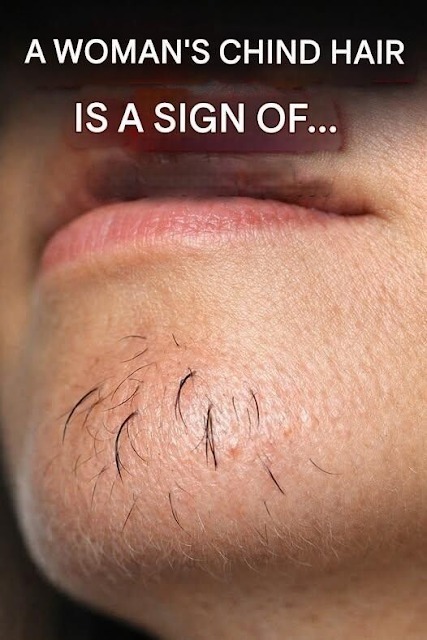
Chin hair in women is something that many people notice at some point in life, yet few openly talk about. Because of cultural expectations around appearance, even a few stray hairs on the chin can cause concern, embarrassment, or confusion.
Online posts often exaggerate or misrepresent what chin hair “means,” sometimes suggesting it is a sign of serious disease or hormonal imbalance without context. The reality is much more balanced: chin hair can be completely normal, especially in certain life stages, and in other cases it may be a clue that the body’s hormones are changing.
Understanding why it happens helps remove fear and replaces it with clarity.
Hair Growth in Women: A Normal Biological Process
To understand chin hair, it helps to first understand how hair growth works in general.
Human hair growth is controlled by follicles located under the skin. These follicles are influenced by genetics, hormones, age, and overall health. Every person—regardless of gender—has hair follicles on almost every part of the body.
The difference between men and women is mainly hormonal. Androgens, often called “male hormones” (though women naturally produce them too), influence the thickness, darkness, and location of body hair.
When androgen levels or sensitivity increase, hair in certain areas—like the chin, upper lip, or jawline—can become more noticeable.
Why Chin Hair Appears in Women
There are several common reasons why women may notice chin hair. Most of them are not dangerous and are part of natural biological variation.
1. Genetics
One of the most important factors is genetics.
If women in your family—such as your mother, grandmother, or sisters—have visible facial hair, there is a higher chance you may develop it too.
Genetics influence:
Hair thickness
Hair color
Growth patterns
Follicle sensitivity to hormones
In many cases, chin hair is simply inherited and not linked to any medical condition.
2. Hormonal Changes
Hormones play a major role in hair growth patterns.
Even small changes in hormone levels can affect hair follicles. Women naturally experience hormonal fluctuations during:
Puberty
Menstrual cycles
Pregnancy
Postpartum period
Perimenopause and menopause
During these stages, it is common for facial hair to become slightly more noticeable.
This does not automatically mean something is wrong. It often reflects normal shifts in the body’s hormone balance.
3. Aging and Menopause
As women age, estrogen levels gradually decrease. Estrogen helps balance the effects of androgens in the body.
When estrogen drops—especially during perimenopause or menopause—male hormones can become relatively more influential. This can lead to:
Increased facial hair
Thicker chin or upper lip hair
Changes in hair distribution
At the same time, scalp hair may become thinner, creating a noticeable contrast.
This is a natural part of aging for many women.
4. Polycystic Ovary Syndrome (PCOS)
In some cases, chin hair can be linked to a medical condition called polycystic ovary syndrome (PCOS).
PCOS is a hormonal disorder that affects how the ovaries function. One of its possible symptoms is higher levels of androgens.
Symptoms may include:
Excess facial or body hair (hirsutism)
Irregular menstrual cycles
Acne
Weight changes
Difficulty with ovulation
However, not all chin hair means PCOS. Many women with chin hair do not have this condition at all.
A proper medical diagnosis is required before drawing conclusions.
5. Medications and Health Conditions
Certain medications or health conditions can also influence hair growth.
Examples include:
Some hormone-based medications
Steroids
Certain fertility treatments
Rare adrenal or ovarian conditions
These cases are less common but medically significant if other symptoms are present.
The Difference Between Normal Hair and Hirsutism
It’s important to distinguish between normal facial hair and a condition called hirsutism.
Normal chin hair:
Light or occasional strands
Slow growth
No other symptoms
Often genetic or age-related
Hirsutism:
Dark, coarse hair in male-pattern areas (chin, chest, back)
Increased density over time
Often linked to hormonal imbalance
The presence of a few chin hairs alone does not mean hirsutism or disease.
Common Myths About Chin Hair in Women
There are many myths surrounding facial hair in women, especially online. Let’s clarify some of the most common ones.
Myth 1: Chin hair means infertility
This is false. Chin hair alone does not determine fertility.
Myth 2: It is always a sign of disease
Most chin hair is harmless and related to genetics or aging.
Myth 3: Plucking makes it worse
Plucking does not increase the number of hairs. It may only make regrowth feel coarser temporarily.
Myth 4: Only older women get chin hair
Chin hair can appear at any age due to hormones or genetics.
Emotional and Social Impact
Even though chin hair is medically normal in many cases, it can still affect self-confidence.
Many women feel pressure from beauty standards that expect completely hair-free faces. This can lead to:
Anxiety about appearance
Frequent hair removal routines
Social discomfort
Self-esteem issues
It’s important to recognize that natural variation in hair growth is normal and does not define beauty or health.
Common Hair Removal Methods
Women who choose to manage chin hair have several options:
1. Tweezing
Quick and precise
Best for a few hairs
Can cause mild irritation
2. Threading
Removes multiple hairs at once
Common in facial grooming
Longer-lasting than shaving
3. Waxing
Removes hair from the root
Results last longer
May irritate sensitive skin
4. Shaving
Fast and painless
Hair grows back with blunt edges (not thicker)
5. Laser hair removal
Long-term reduction
More expensive
Requires multiple sessions
Each method depends on personal preference and skin sensitivity.
When to See a Doctor
While most chin hair is harmless, medical advice may be helpful if it appears suddenly or is accompanied by other symptoms.
You should consider consulting a healthcare professional if you notice:
Rapid increase in facial or body hair
Irregular or absent periods
Severe acne
Sudden weight changes
Voice deepening or other unusual changes
These signs may suggest a hormonal imbalance that can be evaluated and treated.
Supporting Hormonal Balance Naturally
Although medical treatment is sometimes necessary, general lifestyle habits can support hormonal health:
Balanced diet rich in fiber and nutrients
Regular physical activity
Stress management
Adequate sleep
Maintaining healthy body weight
These factors help regulate hormone levels and overall wellbeing.
Final Thoughts
Chin hair in women is often misunderstood and surrounded by myths. In reality, it is usually the result of natural factors such as genetics, aging, or normal hormonal changes.
In some cases, it may be linked to conditions like PCOS or other hormonal imbalances, but it is rarely a sign of something dangerous on its own.
The most important thing to remember is that body hair variations are normal and common. Understanding the cause helps reduce unnecessary worry and allows for informed choices—whether that means embracing natural changes or choosing gentle cosmetic management.
What matters most is not the presence of a few hairs, but overall health, balance, and confidence.