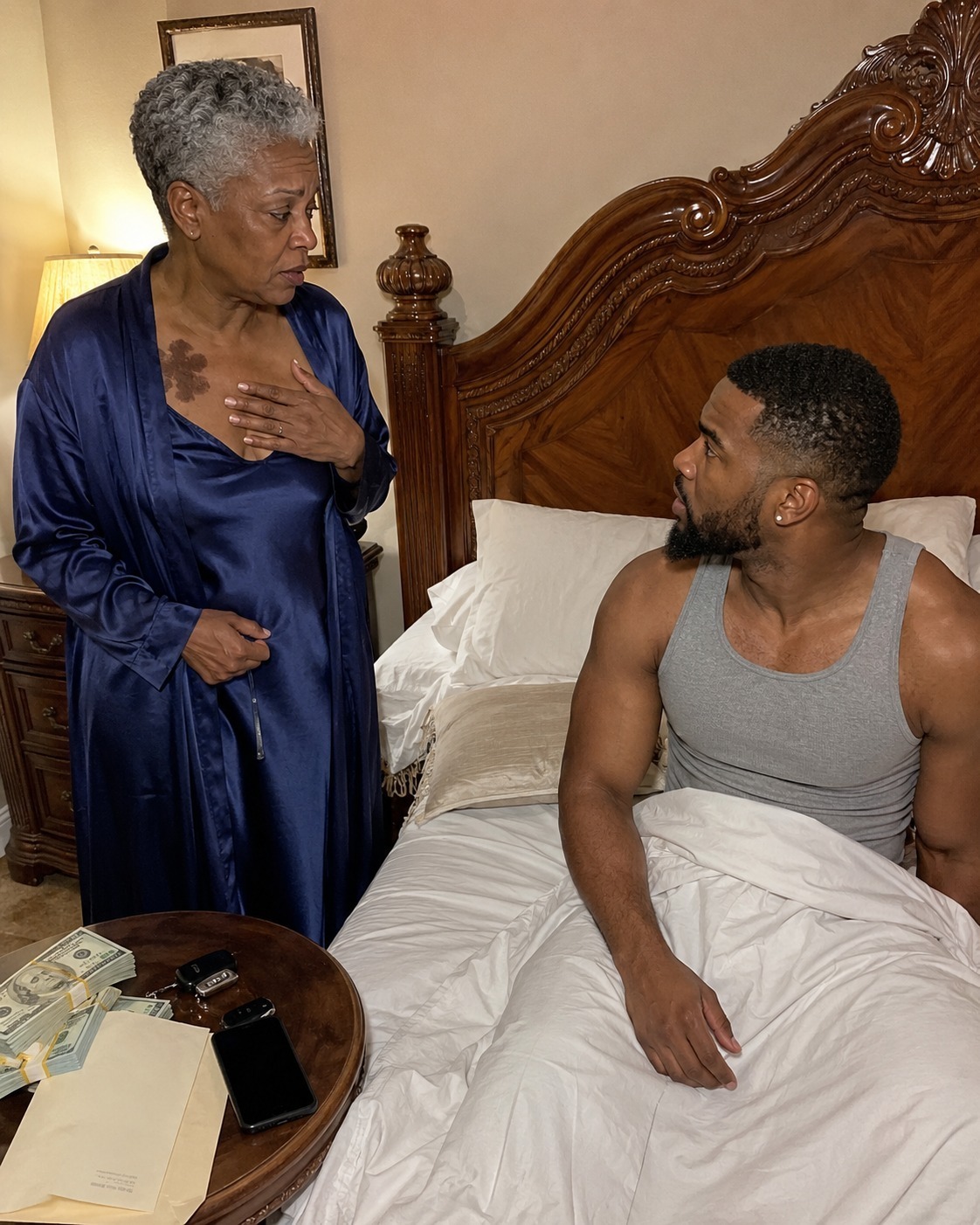
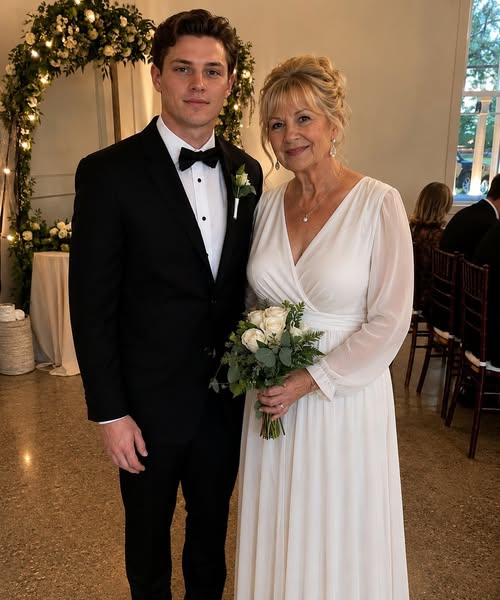
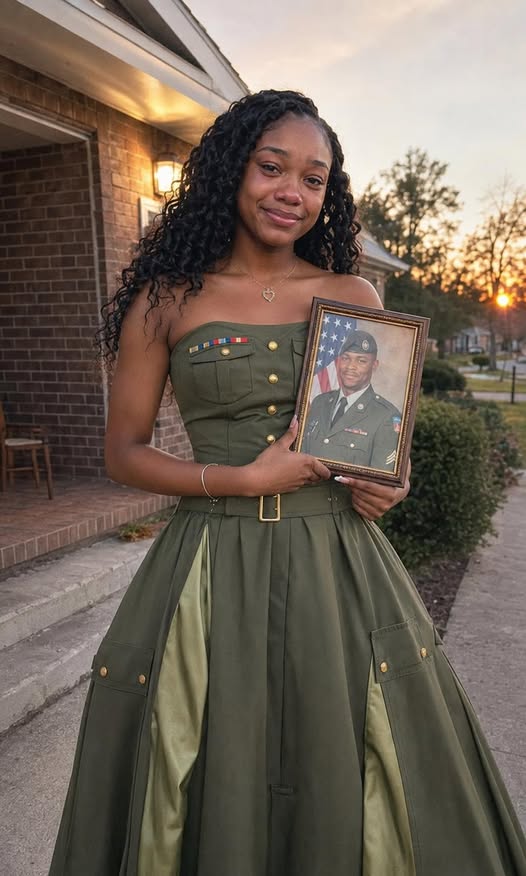
Evelyn was seventy-one, a widow, and had a sweetness that made people soft around her. I was twenty-five, broke, drowning in debt, and sleeping in my truck behind a supermarket where the night clerk pretended not to see me. So when Evie proposed, I said yes. Not because I loved her, but because her house was warm, her fridge was stocked, and I was tired of washing my face in gas station bathrooms before job interviews.
The first person I told was Jesse, a former coworker who, after a couple of beers, could make any cruel thought sound like a joke. We were sitting at a bar when I said, “Jess, I’m getting married.” He almost spit out his drink. “To whom?” “Evie.” “The widow in the blue house?” I asked him to lower his voice, but he just grinned. “Damon, that’s not marriage. That’s a roof over your head.” I muttered that it was a roof over my head. Jesse leaned in and said, “And if you wait long enough, it could all be yours.” I should have left. Instead, I stared at my beer and said I was sick of being cold, sick of collection calls, and sick of smelling like gas station soap.
Two weeks before the courthouse wedding, Evie slid a folder across the kitchen table. “What’s this?” I asked. “A prenuptial agreement, Damon.” At first, I laughed, thinking she couldn’t be serious, but she clasped her hands together and said, “Being alone doesn’t mean being careless. The house is still mine. My savings are still mine. And if anything happens to me, my will will speak for me.” I asked if she thought I wanted her money. Evie looked at me over the tops of her reading glasses and said, “I think hunger makes good people do terrible things, honey.” My face flushed. I signed anyway, telling myself the paper was just paper. Time changes things. People change their wills.
Everyone called her Evelyn, but she let me call her Evie because it made her feel young. That was just who she was. She left a feeling of warmth in every corner, though most days I preferred to ignore it. I noticed other things: the full pantry, the soft towels, the medicine bottles in the cupboard, and the doctor’s appointments noted on the refrigerator calendar. Every appointment caught my eye. Every new bottle made me wonder how much time she had left.
Even so, Evie treated me better than I deserved. One afternoon, she left a new pair of boots by the door. A week later, a heavy coat appeared, too. “I don’t need charity,” I told her. She just replied, “Then call it housekeeping. I don’t like muddy floors.” When I told her I could buy the coat, she asked quietly, “Can you?”
At our usual restaurant, all the waitresses knew Evie by name. I hated that place because they adored her, and I could feel their questions whenever they looked at me. One afternoon, she stirred sugar into her tea and asked, “Why do you stay quiet when people are nice to me?” I forced a laugh, but she continued, saying that she drummed her fingers as if counting who trusted her and who would be disappointed. Then she touched the sleeve of my new coat and said, “You look embarrassed when I realize what you need.” I shook my head, but when she whispered my name, I looked away first.
Evie never sought a confession. She simply left the door open and waited to see if I had the courage to come in. I never did.
One evening, I found her sitting on the first step with one hand propped against the wall. She said she was fine, but I helped her up anyway. For a moment, she leaned on me before pulling away. In the kitchen, I tried to make tea, but I forgot to let the water boil. She laughed softly, and for a few minutes, the house felt almost normal, as if I were truly her husband and not just some man hiding under her roof.
Then my phone vibrated with a message from Jesse: “How’s the retirement plan going?” Evie was smiling, looking at the mug I’d made her. When she asked if everything was okay, I told her Jesse was just messing around. Then I replied, “Everything’s fine. When he leaves, I’ll be at peace.” I hated myself for two seconds. Then I locked my phone and pretended two seconds of embarrassment was enough.
Three mornings later, Evie dropped a spoon on the kitchen floor. I stepped away from the stove and saw her clutching the counter. Her mouth moved, but she didn’t say a word. “Hey, look at me,” I said. Her knees buckled, and I caught her before she fell. At the hospital, a tired-eyed doctor found me and told me her heart had failed. All I could manage to whisper was, “I was just eating jam.”
The funeral was three days later. I was wearing the coat I’d bought. Claire, Evie’s niece, noticed right away. “Of course you wore it,” she said. I told her it was cold. She shook her head. “No. You still know how to take advantage of her.” I told her I was her husband, but Claire replied, “You were her project.” That hurt more than being called a gold digger because deep down, I knew it was true. Even so, beneath the shame, one thought remained: the will.
The next morning, I sat across from Mr. Carson, Evie’s lawyer. He told me the house was for Claire. Her savings would go to the church charity. A lump formed in my throat. “Didn’t she leave me anything?” Mr. Carson adjusted his glasses. “She left you a personal item.” “A check?” I asked. “A shoebox,” he replied.
He placed an old cardboard box on the desk. My name was written on the lid in Evie’s neat handwriting. When I asked what it was, Mr. Carson said, “She told me this was what you really wanted.” My fingers went numb as I opened it. The first thing I found was a folded-up printed page. On it were the words I’d sent to Jesse: “It’s okay. Once he’s gone, I’ll be at peace.”
The office fell silent around me. Mr. Carson explained that my phone had lit up on the kitchen table while Evie was nearby. She’d seen enough, jotted down the words, and asked me to keep them for this box. She never confronted me because she wanted to see what I’d do if no one found out.
Underneath the message was a stack of receipts: boots, a coat, mechanic’s bills, a dentist visit, and two credit card payments. Each receipt was in Evie’s handwriting. “You lied about this one.” “You thanked me for this one.” “You almost told me the truth here.” The last receipt was for the coat I wore to her funeral. Next to it, she’d written: “You looked embarrassed when I noticed you were cold, Damon. It was the first genuine thing I saw on your face.”
Continued on the next page:
Read more

 .
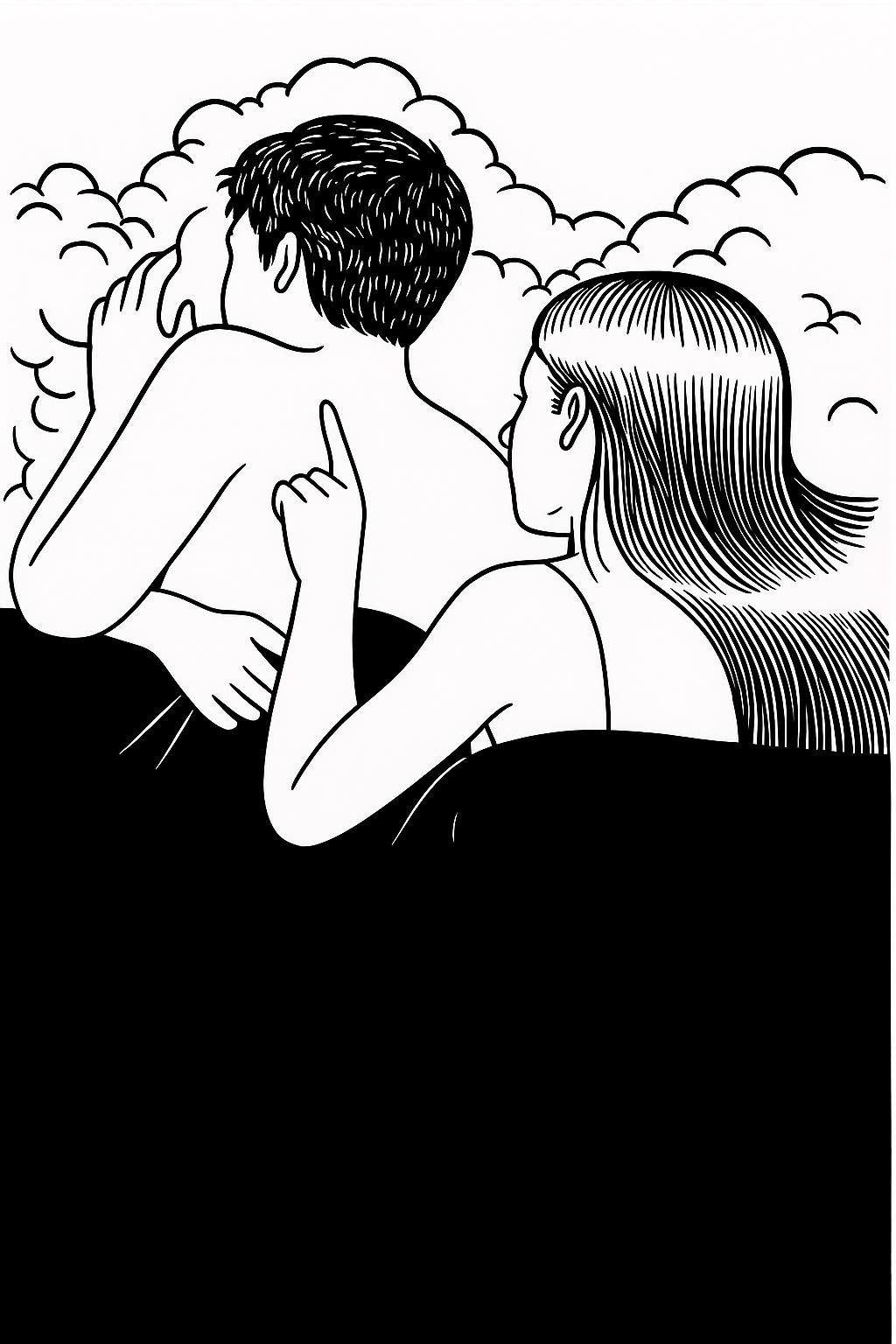
. Tip: If your partner sleeps on their back but seeks physical contact (such as touching you with their feet or leaning their back against you), there is still an emotional connection.
 If this happens for several days in a row and there is also coldness at other times, it may be time to speak honestly.
 Talking without judging or accusing can open the door to better understanding.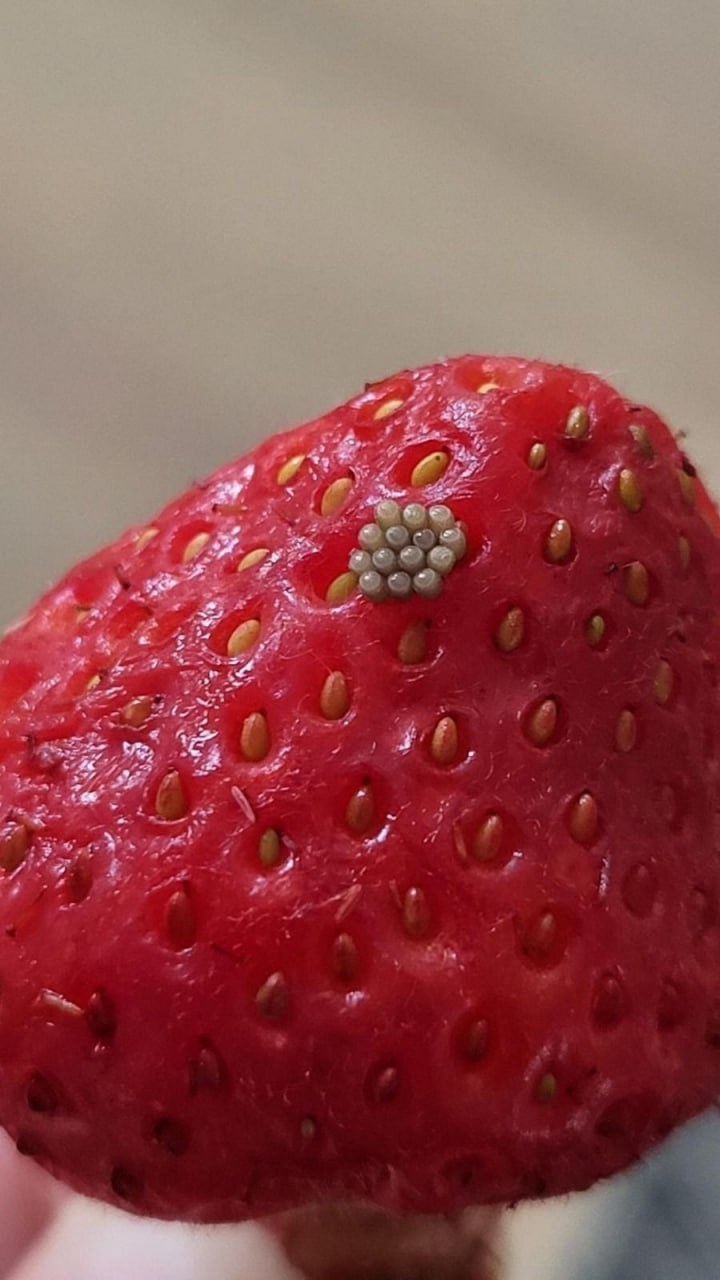
 Explains what those white “worms” actually are
 The salt water didn’t create the worms—it revealed them.
 Always wash berries before eating
 Use salt or vinegar soak for extra cleaning
 Buy frozen berries if this worries you
 Eat berries sooner (don’t let them over-ripen)
 Inspect soft or damaged fruit closely